Translate

Wednesday, 10 June 2026

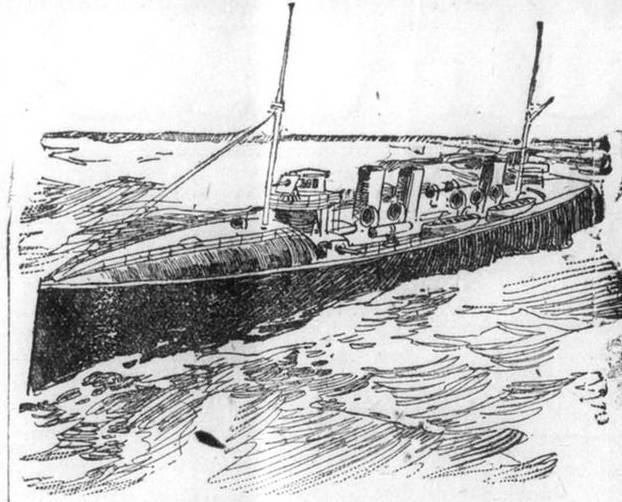
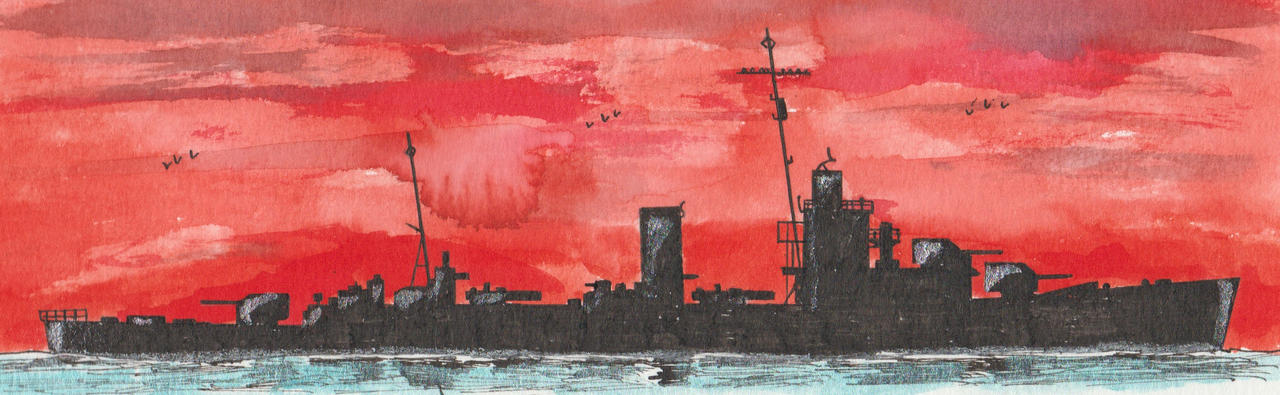
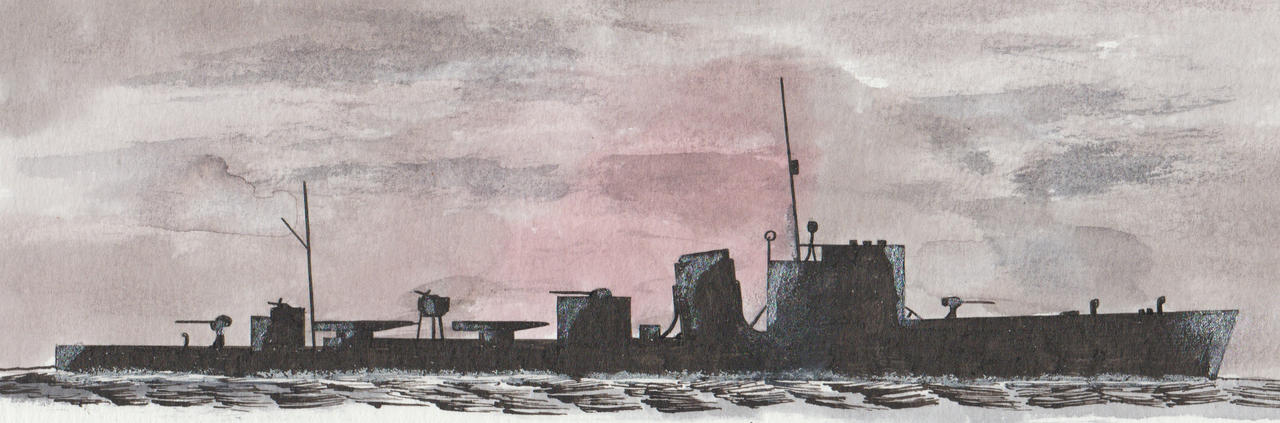
Spanish destroyer Furor 1896-1898

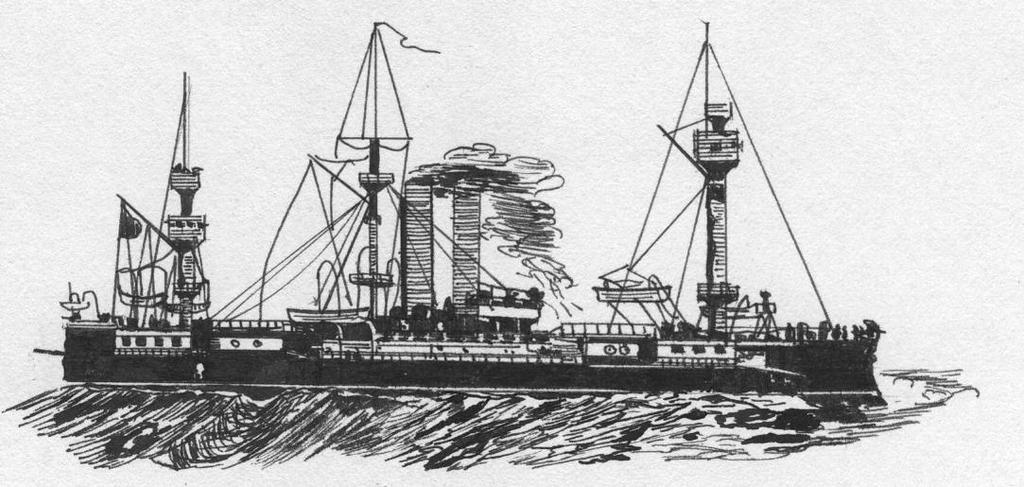
Destructor. Dutch newspaper De Grondwet dated 24 May 1898

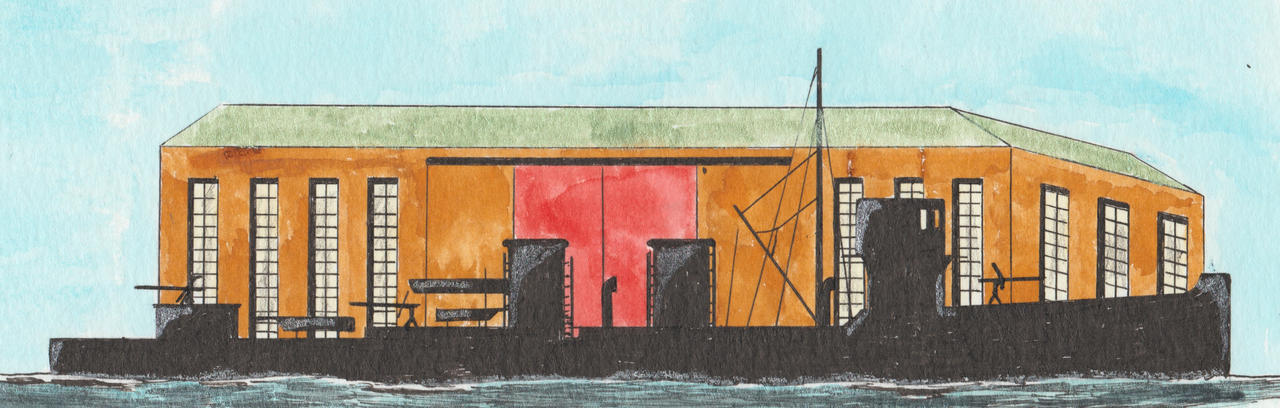
Terror, Furor-class. ©Warshipsresearch.blogspot.com

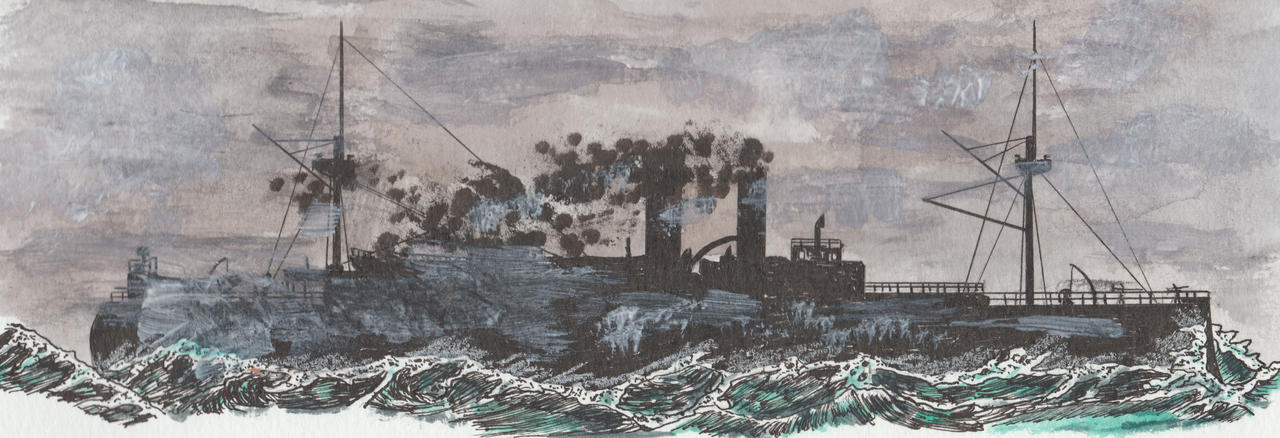
Bustamante-class©Warshipsresearch.blogspot.com

Part of Furor-class similar to the British A-class 27 knotters destroyers, preceded by Destructor succeeded by Bustamante-class. The individual six ships were not exact similar but differs in size, armament en machinery. The Terror and Furror are even sometimes considered to be a subseries. Ordered from J.&G. Thompson, Clydebank (renamed Clydebank Engineering & Shipbuilding Co. in 1897), Scotland. Laid down on 21 February 1896, launched on 7 August 1896, completed on 21 November 1896 and sunk in the Battle of Santago de Cuba against the American fleet on 3 July 1898.

Japanese gunboats escorting Allied Orient bound transports according to the Kriegsnachrichten of the Chef des Admiralstabes der Marine dated Berlin 5 August 1917

An item reported that according to an agent dated 30 July end July six Japanese gunboats arrived at Marseille, France used for escorting transports towards the Orient.

Source

Bundesarchiv RM-40-622

Lisbon, Portugal protected by mine barrage and torpedo boats according to the Kriegsnachrichten of the Chef des Admiralstabes der Marine dated Berlin 5 August 1917

An item reported that according to a cargo steam ship dated 6 July for Lisbon, Portugal a mine barrage was laid with constant two patrouilling torpedo boats.

Source

Bundesarchiv RM-40-622

British armed steamship heading west coming from Gibraltar according to the Kriegsnachrichten of the Chef des Admiralstabes der Marine dated Berlin 5 August 1917

An item reported the sighting on 30 July heading to the east of an armed British steamship from Gibraltar.

Source

Bundesarchiv RM-40-622

Japanese aircraft carrier Katsuragi (Ship No. 5003) 1942-1947

©Warshipsresearch.blogspot.com

Part of Unryu-class (project number G16) Unryu-subclass preceded by Taiho succeeded by planned but not realized Project Number G18. Design resembles more the Hiryu than that of the Taiho. There were 16 planned namely under the Maru Kyu Programme ship No. 301 in 1941 and under the Kai-Maru 5 Programme Ships No. 5001-5015, at the end were 13 were cancelled. There were 2 subclasses namely Unryu (Nos. 302, Modified Unryu Class 5001-5006 and Ikoma (unofficial Modified Ship Number 302-class in fact a simplified Unryu model Nos. 5007-5015). Ordered on 25 June 1942, laid down by Kure Naval Arsenal on 8 December 1942, launched on 19 January 1944, completed on 15 October 1944, stricken on 15 November 1946 and broken up between 22 December 1946-30 November 1947. 

Russian naval officer Kimbar according to a report from the Military Observer at Riga, Latvia dated 22 July 1921

The information was received from the Latvian General Staff and considered to be reliable. In fact few was known dealing with the personnel of the Central Institutions except that the majority in authority were former naval officers already officers prior to the First World War. The descriptions of the officers were supplied by a former high officer of the Imperial Russian Navy which now stayed in Latvia. Former 2nd class captain. Squadron miner (April 1921).

Source

National Archive. Record Group 165: Records of the War Department General and Special Staffs Series: Security Classified Correspondence and Reports. File Unit. Russia: Navy - MID 2503-16 THRU 2503-265. Roll 1443.

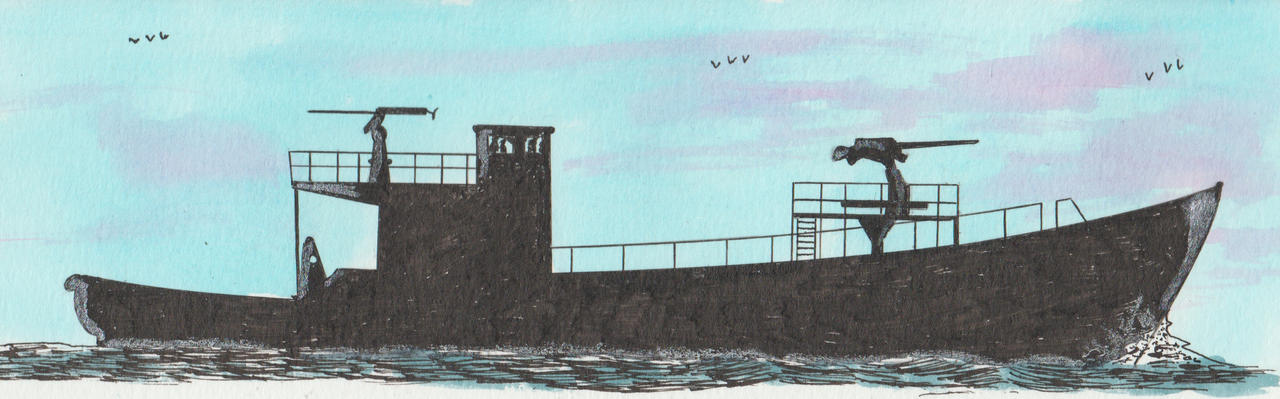
German blockade runner ms Odenwald in 1941

In a letter dated 13 April 1942 No. 1329 to the O.K.M./1 Abteilung Skl. was the so-called ‘Etappen’-organisation of the navy described. In the attachment were the blockade runners decribed used for this purpose. Ms Odenwald. Loaded with 3,857 ton. Left Yokohama, Japan on 21 August 1941. Halted on the Atlantic by American cruiser and brought to San Juan, Puerto Rico on 6 November 1941.

Source

Bundesarchiv RM 7/223

Latvian-flagged crew tender M07 2022-

Schelde off Vlissingen, Netherlands 8-6-2026

Latvia-flagged, homeport Riga, IMO 9924053, MMSU 275538000 and call sign YLSA. Built in 2022. 

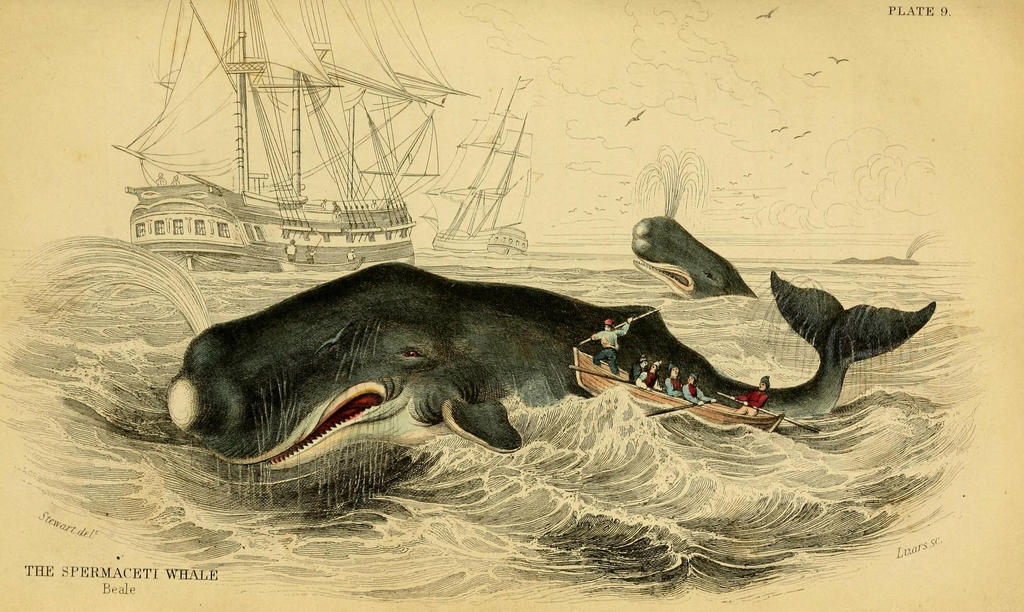
Sale of 1/32 part in the Dutch whaler de Jonge Hubert at Amsterdam, Netherlands in 1767

An item mentioned that ship brokers sold at Nieuwezyds Heeren Logement at Amsterdam, Netherlands on Monday 16 November 1767 1/32 part in the Dutch fluytship de Jonge Hubert and whaling tools of commandeur Roelof Teuniesz, built in 1756, dimensions 113 x 29 x 12.5 ? feet, bookkeeper B. Lubely, 200 guilders, stroke 25 guilders, W. Koning Abrahamsz

Source

De Maandelyksche Nederlandsche Mercurius, Volume 22, November, Amsterdam, 1767. 

Sale of 1/32 part in the Dutch whaler de Vrouw Susanna at Amsterdam, Netherlands in 1767

An item mentioned that ship brokers sold at Nieuwezyds Heeren Logement at Amsterdam, Netherlands on Monday 16 November 1767 1/32 part in the Dutch fluytship de Vrouw Susanna and whaling tools of commandeur Nanning Teunis Visser, built in 1734, dimensions 116 x 30 x 13.2 feet, bookkeeper B. Lubely, 200 guilders, stroke 25 guilders, Joannes de Weer de Witt.

Source

De Maandelyksche Nederlandsche Mercurius, Volume 22, November, Amsterdam, 1767. 

Danish crew tender Defender 2017-

Schelde off Vlissingen, Netherlands 8-6-2026

Denmark-flagged, IMO 9808821, MMSI 219770000 and call sign OXLX2. Built in 2016. Owner Northern Offshore Services A/S.

Italian sailing ship Papia Gian Battista lost in 1917

According to a list of the Italian Department for transport over sea and by rail was she lost on 8 April due to unknown on the location 45 miles off Kap Spartivento. Tonnage 138 tons.

Source

Bundesarchiv RM 20/728.

France hired transport Ville de Strasburg for French expedition to Madagascar in 1895

With the First Madagascar Expedition (May 1883-December 1885) started the Franco-Hova War. In December 1885 was a Treaty signed which the French interpreted as being a Protectorate Treaty which was denied by Queen Ranavalona III. The result was the Second Madagascar Expedition December 1894-1 October 1895) ending in Madagascar becoming a French colony (1897-1958). The Malagasy Republic was an autonomous French territory until she became independent as the Democatric Republic of Madagascar in 1975. Leaving Marseille, France on 25 April with war material and provisions. Compagnie Havraise.

Source

Captain Pasfield Oliver, “The Madagascar expedition”: The United Service Magazine, volume XI. New Series. April 1895 to September 1895, p. 136-137. 

German tug (ex-Sanmar Eskort 80-3 2009, Bugsier 10 2009-2022) Fairplay-38 2022-

Schelde off Vlissingen, Netherlands 8 June 2026

Germany-flagged, IMO 9429560, MMSI 218321000 and call sign DFWB2. Built by Sanmar, Turkey in 2009. Owner Fairplay Towage, maanger Bugsier, Reederei-&Bergungs GmbH&Co. KG. 

American whaler Dover cleared at Honolulu, Hawaii according to the newspaper The Polynesian dated 19 March 1853

An item reported that at Honolulu, Hawaii on 18 March was cleared the American whaler Dover master Babcock for cruising 

American whaler Roman visited Laihana, Hawaii according to the newspaper The Polynesian dated 19 March 1853

An item reported the arrival at Laihana, Hawaii on 11 March of the American whaler Roman master Cumaskey 14 months out 550 barrels sperm oil 

American whaler Isaac Hicks cleared at Honolulu, Hawaii according to the newspaper The Polynesian dated 19 March 1853

An item reported that at Honolulu, Hawaii on 16 March was cleared the American whaler Isaac Hicks master Skinner for cruising 

Dutch tug En Avant 26 2024-

Schelde off Vlissingen, Netherlands 8 June 2026

Netherlands-flagged, IMO 9985277, MMSI 245613000 and call sign PDTH. Built in Vietnam in 2024. Ex-Damen Song CAM 512579 and St. Vincent&Grenadines-flagged. Owner Muller, Dordrecht, Netherlands. 

The design of the Thames Iron Shipbuilding Company of London, England for the American armoured cruiser USS Maine in 1887

American USS Maine©Warshipsresearch.blogspot.com

Brazilian Riachuelo©Warshipsresearch.blogspot.com

In 1886 was the building of a battleship which became the USS Texas and an armored cruiser which became the USS Maine authorized.(1) The US Navy asked for plans including from parties abroad. For the USS Maine was chosen for an American design although inspired by a Brazilian warship.

The Internal Revenue Record and Customs Journal edition dated 11 April 1887 p. 144 wrote that the Secretary of Navy William C. Whitney on 6 April invited proposals for the building of 5 warships under the Act of 38 March 1887. Further more he considered the details for the Board which was responsible to examine the plans for the two 6,000 tons ships authorized under the Act of 3 August 1886. Expected was that as naval members were to be appointed captain Ramsay, commodore Goodrich and assistant naval constructor Bowles. The names of the civilian members were yet not known. In the meantime were the plans of the Bureau of Construction and Repair his favourite. Of the ten plans for new cruisers were at least six worth of close attention. According to The Nation dated Thursday 7 April 1887 were the plans opened on 1 April.

The Railroad and Engineering Journal, May edition p. 194 reported that the plans for an armored cruiser and an armored battleship were now being studied by a mixed board of naval officers and civilian constructors. The general features were published on page 211: “The armored cruiser was to have a double-bottomed. Steel hull, unsheathed and divided into numerous watertight compartments, fitted with a powerful pumping apparatus, and finished with a perfect drainage and ventilation system throughout. She was to be fitted with a rambow and was to have a steel-armored deck which would run thewhole length of the ship and cover the boilers, engines and magazines. Two-thirds full sail power was required on two or three masts, each with a protected top, carrying one or more machine or rapid-fireguns. The main batterywas to havef our 10-in. guns, each weighing 26½tons, and six 6-in.guns each weighing 5 tons. The secondary battery was to be composed of four 6-pounder, four3-pounder, and two 1-pounder Hotchkiss rapid-fire guns, four 47-millimeters and four 37-millimeters Hotchkiss revolving cannon, and four Gatling guns. The vessel was to be equipped with a torpedo and searchlight outfit, and the guns were to be so arranged as to obtain for bow and stern fire the greatest horizontal and vertical command consistent with other essential conditions. The 10-in. guns were to load in at least two positions,and were to be served and handled by power and protected by at least 10 1/2 inch of steel armor, properly backged, while the 6-in. guns were to be efficiently shielded. The motive machinery was to be below the armored deck and well covered from hostile fire, and the ship was to be driven by twin screws. When fullyequipped and with all weights on board, excluding the reserve coal, she was to maintain 17 knots speed per hour over the measured mile. The coal endurance had to be large, the consump tion economical, and the distance to be covered at mod erate speed as great as practicable. The furnaces were to be arranged to work with forced draught when desired, air for combustion being furnished independently of the ventilating system. Quarters had to be provided for 270 officers and men, with provisions provisi for three months and water for one month. The ship was required to have arrangements for being steered either by power or by hand from several independent positions upon and below the deck. A sufficient number of boats to carry the crew were to be furnished, two of them being second class torpedo boats and two others steam launches or cutters, each of which was able to mount, shielded, one 3 pounder rapid-fire gun. These conditions were to be fulfilled at a maximum draught of 22 feet and on a displacement of about 6,000 tons."

The Railroad and Engineering Journal, July edition p. 311 and 315 reported that the US Navy still considered the building but did not invite yet for bids of shipyards. In the meantime reported the Board to the Secretary of the Navy what the results were of the plans sent by various parties in last April. The Board was appointed on 22 April. Some plans were not conform the requirements and were already rejected. Dealing with the plans of the Barrow Shipbuilding Company, Lieutenant W. I. Chambers. A. H. Grandjean and the Thames Iron Works & Shipbuilding Company was the conclusion that “The marked differences in the essential features of the designs prevent their classification in the order of merit; each exhibits features which strongly commend themselves, but the Board does not consider it advisable for the Government to build a vessel upon any one of these.”

In The Railroad and Engineering Journal, August edition p. 357-359 were the results of the examination discussed. The Board recommended not one of the submitted designs for an armored cruiser. The plans were to be carefully examined before anything could be decided. Yet it was probably the design of the Bureau of Construction of the Navy Department made a good chance to be chosen. I

The The Railroad and Engineering Journal, May edition p. 211 wrote that the company offered a design similar to others build for navies abroad. Thames Iron Works & Shipbuilding Company, by I. C. Mackron, London, England. The Internal Revenue Record and Customs Journal dated 11 April supplied as details for the cruiser design “Displacement 6,000 ton and as dimensions 350 x 58 x 21.6 feet. Horsepower 12,750 hp. Armament 4-10” guns, 6-6” guns. Speed 20 knots.”

Note

1. Ordered on 3 August 1886, laid down by New York Naval Shipyard on 17 October 1888, launched on 18 November 1890, commissioned on 17 September 1895 and sunk due to an explosion in the harbour of Havana, Cuba on 15 February 1898 and what was left of her was scuttled in the Strait of Florida on 16 March 1912.

Sources

Engineering. An Illustrated Weekly Journal. London, 1885. 

Internal Revenue Record and Customs Journal. Volume XXXIII, January-December 1887.

The Nation No. 113, p. 286.

The Railroad and Engineering Journal, vol. LXI (Volume 1, new series), New York, 1887.

Hamersly, Lewis Randolph. The Records of Living Officers of the U.S. Navy and Marine Corps. Philadelphia, 1894. 

Tuesday, 9 June 2026

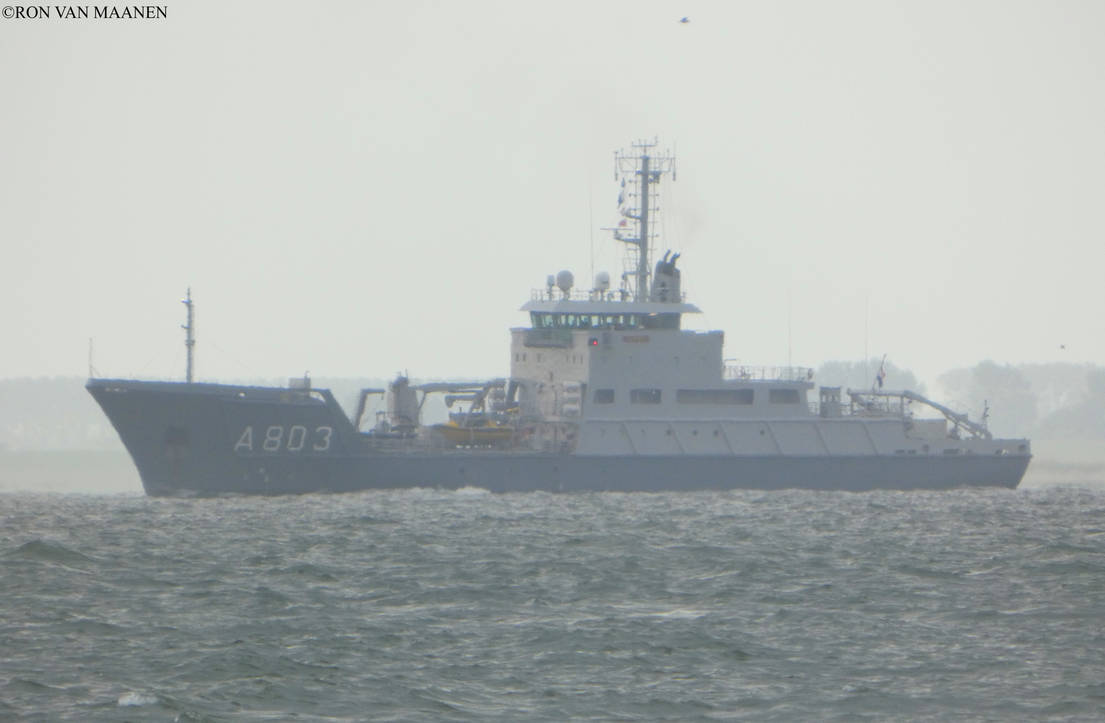
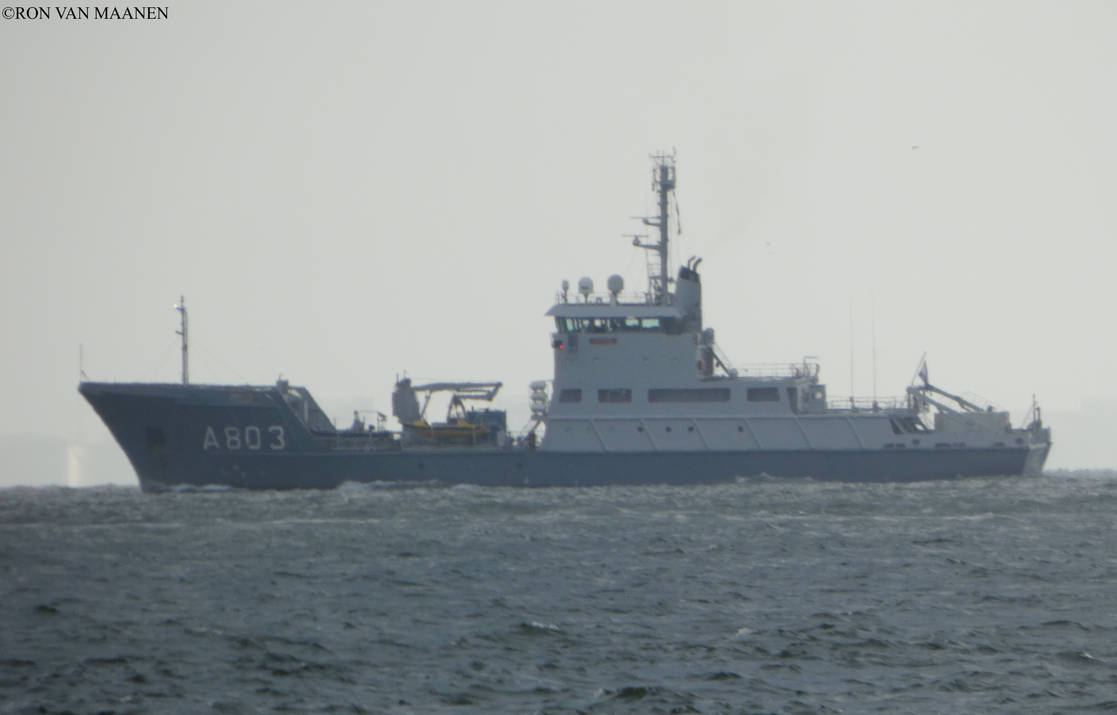
Dutch hydrographical survey vessel Zr.Ms. Luymes (A803) 2004-


Schelde off Vlissingen, Netherlands 5 June 2026

Netherlands-flagged, IMO 9271860, MMSI 245939000 and call sign PAUF. Casco laid down by Damen Shipyards Galati, Romania on 25 June 2002 and completed in the Netherlands. Commissioned on 3 June 2004. Displacement 1.875 tons and as dimensions 75,00 x 13,10 x 4,00 metres. Optional armament 2-12,7mm machine guns. Crew numbers 18 men. Two diesels with total horsepower of 1.564 hp allowing a speed of 12 knots. 

Activities of aircraft stationed at Constanta, Romania according to the Kriegsnachrichten of the Chef des Admiralstabes der Marine dated Berlin 9 August 1917

An item reported that 7 planes of the seaplane base Konstanza [Constanta, Romania] and Duingi patrolled above the Danube delta on 6 August. In the Ostzakow Arm [Otsjakov, Ukraine?] was a tug bombed scoring one hit. The harbor facilities of Sulina [Romania] were with 180 kilo bombs bombed scoring several hits, Fort Kilia with 40 kilo bombs with 2 hits on the Fort and one on a coal steamship lying off the Fort. All planes returned safely one slightly damaged.

Source

Bundesarchiv RM-40-622

Warships and merchant ships arrived at Gibraltar according to the Kriegsnachrichten of the Chef des Admiralstabes der Marine dated Berlin 9 August 1917

An item reported the arrival at Gibraltar 5 August coming from the west of 3 armed steamships, 1 armed French steamships, 1 Danish steamship, 2 armed British steamships and 2 passenger steamships.

Source

Bundesarchiv RM-40-622

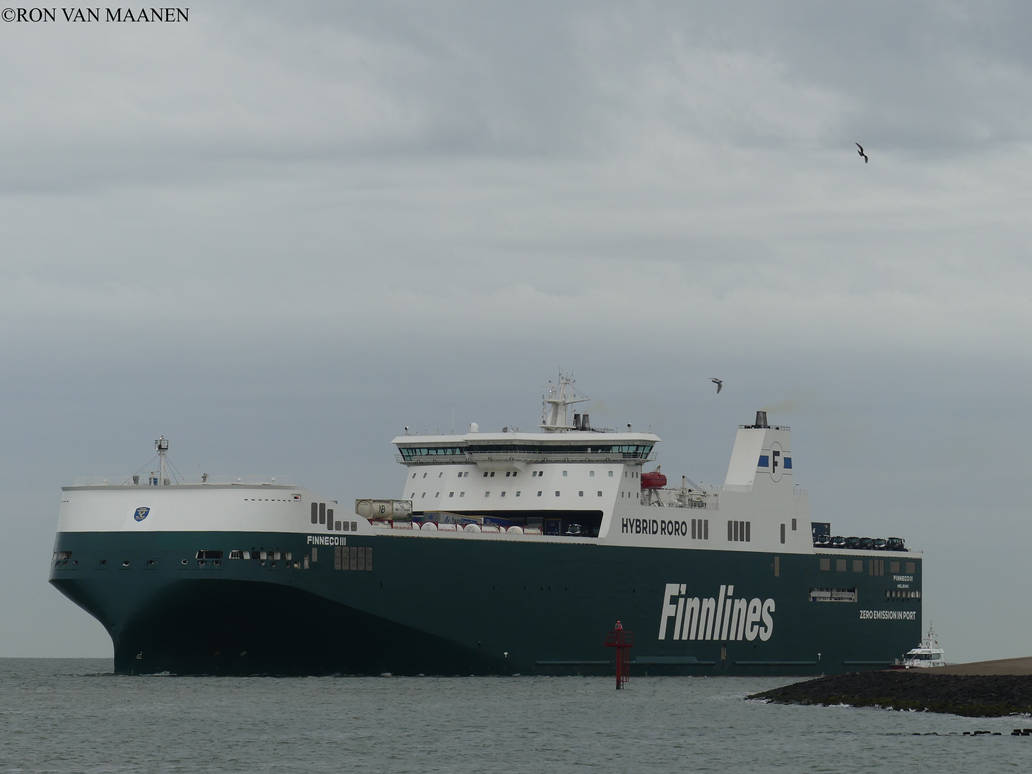
Finnish ro-ro cargo ship Finneco III 2020-

Schelde off Vlissingen, Netherlands 8 June 2026

Finland-flagged, homeport Helsinki, IMO 9856854, MMSI 230700000 and and call sign OJTQ. Laid down by China Merchants H.I. (J.), Haikem, China with hull number JLZ8184009 on 23 November 1920, launched on 22 December 2021 and delivered on 6 June 2022. Owner Finnlines Plc. 

Italian sailing ship La Maria lost in 1917

According to a list of the Italian Department for transport over sea and by rail was she lost on 5 April due to arillery on the location Cap Bonifati. Tonnage 43 tons.

Source

Bundesarchiv RM 20/728.

British mule transport Bolivar hired for the Abyssinian expedition in 1867

According to a letter dated Admiralty, Somerset House 6th September of the Director of Transport Services W.R. Mends to the Under Secretary of State for India was the mule transport Bolivar for service in the Mediterranean. Number transport 17. Tonnage 1,179 tons. Horsepower 160hp. Rate per ton per month. If discharged at home 30d0d and abroad 35s0d. Date of acceptance 3 September. Likely to sail not yet known. Now being prepared for service with the Abyssinian expedition at Victoria Docks, London, England. Engaged for three months certain. The British Abyssinian Expedition found place between 4 December 1867-13 May 1868 against the Ethiopian Empire or Abyssinia to release the imprisoned missionaries and representatives of the British government.

Source

Accounts and papers: thirty-five volumes. Army. Abyssinian expedition. Session 19 November 1867-31 July 1868. Vol. XLIII., p. 115.

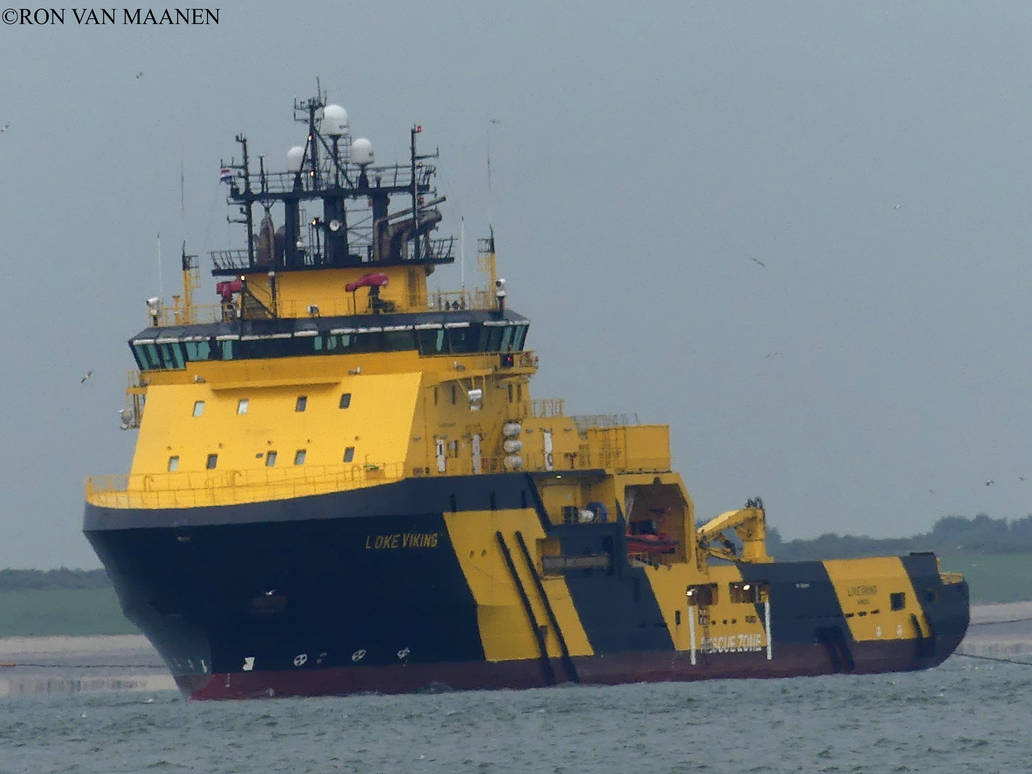
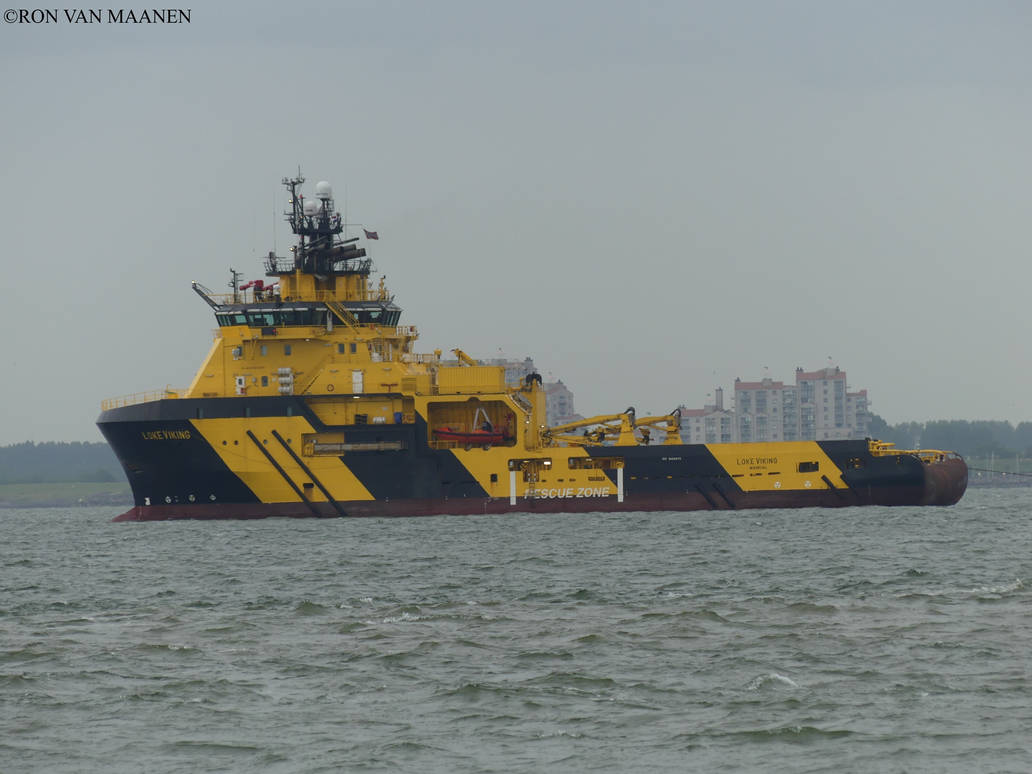
Swedish tug Loke Viking 2010-


Schelde off Vlissingen, Netherlands 8 June 2026

Norway-flagged, IMO 9423815, MMSI 257056000 and cal sign LEUX. Sweden-flagged between 2010-2011 and Denmark-flagged between 2011-2017. Built by Astilleros Zamakona, Bilbao, Spain in 2010. Owner Viking Supply Ships, Stenungsund, Sweden, manager Viking Supply Ships AS, Kristiansand, Norway. Tug annex supply ship.

Sale of 1/32 part in the Dutch whaler ‘t Vertrouwen at Amsterdam, Netherlands in 1767

An item mentioned that ship brokers sold at Nieuwezyds Heeren Logement at Amsterdam, Netherlands on Monday 16 November 1767 1/32 part in the Dutch fluytship ‘t Vertrouwen and whaling tools of commandeur Hans Jacobs, built in 1752, dimensions 110 x 28.6 x 12.5 (?) feet, bookkeeper Fredrik de Harde, 95 guilders, J. de Flines.

Source

De Maandelyksche Nederlandsche Mercurius, Volume 22, November, Amsterdam, 1767. 

Sale of 1/32 part in the Dutch whaler de Liefde at Amsterdam, Netherlands in 1767

An item mentioned that ship brokers sold at Nieuwezyds Heeren Logement at Amsterdam, Netherlands on Monday 16 November 1767 1/32 part in the Dutch fluytship de Liefde and whaling tools of commandeur Fredrik Richersz, built in 1740, dimensions 112 x 29 x 12.4, bookkeeper W. Koning Abrahamsz, sold with 1/32 part in the Lindenrust for 150 guilders to H. Costerus

Source

De Maandelyksche Nederlandsche Mercurius, Volume 22, November, Amsterdam, 1767. 

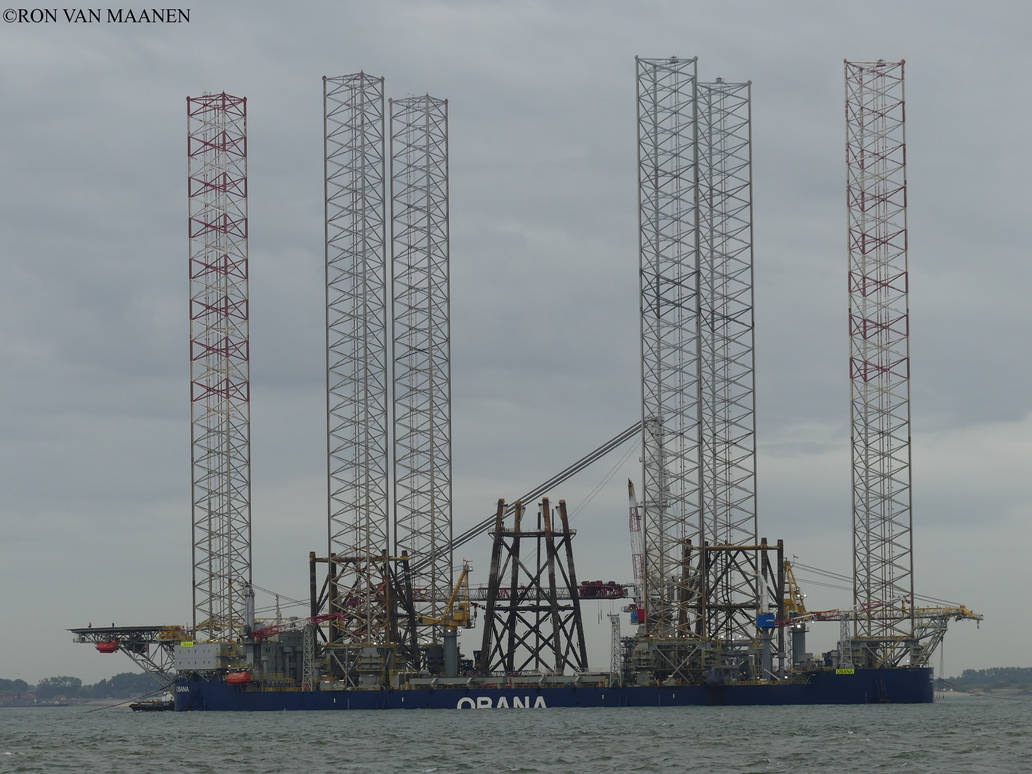
Platform (ex-Galaxy III -2003, GSF Galaxy III 2003-2025) Obana 2025-


Schelde off Vlissingen, Netherlands 8 June 2026

St. Vincent&Grenadines-flagged, IMO 8764119, MMSI 377405000 and call sign J8B6076. As GSF Galaxy III Vanatua-flagged. Built by Keppel Fels, Singapore in 1999. Built of connecting two rigs (one was the Garbus) and creating a construction maintenance vessel on behalf of Petrodec. Renamed by Damen Shiprepair Rotterdam, Netherlands on 21 May 2025. Self-elevating heavy lift jack-up. Proces conversion started in 2021 when Petrodec solved the problem of decommissioning complex offshore stations positioned in the UK North Sea. On 13 December were the three parts including a new mid section docked in drydock 7 to be connected.

British merchant ship Tagus chartered for the Anglo-Egyptian War of 1882

Between July-September 1882 was the United Kingdom in war with Egyptian and Sudanese troops ending in the British occupation of Egypt. The British government chartered between July-August a lot of merchant steamships for transporting troops, stores etc. from the United Kingdom to Egypt including the Tagus.

Source

The Nautical Magazine. Fifty-first year. Volume VII. July 1882. 

France hired transport Berry for French expedition to Madagascar in 1895

With the First Madagascar Expedition (May 1883-December 1885) started the Franco-Hova War. In December 1885 was a Treaty signed which the French interpreted as being a Protectorate Treaty which was denied by Queen Ranavalona III. The result was the Second Madagascar Expedition December 1894-1 October 1895) ending in Madagascar becoming a French colony (1897-1958). The Malagasy Republic was an autonomous French territory until she became independent as the Democatric Republic of Madagascar in 1975. Leaving Marseille, France oin 25 April with troops.

Source

Captain Pasfield Oliver, “The Madagascar expedition”: The United Service Magazine, volume XI. New Series. April 1895 to September 1895, p. 136-137. 

Dutch fishing vessel (ex-Maatje Helena YE-138 1997-2022) Jan Senior SL-49 2022-

Schelde off Vlissingen, Netherlands 8-6-2026

Netherlands-flagged, IMO 9168427, MMSI 245933000 and call sign PDAU. Built by Van der Werff&Visser, Irnsum, Netherlands in 1997.

American whaler Uncas visited Honolulu, Hawaii according to the newspaper The Polynesian dated 19 March 1853

An item reported the arrival at Honolulu, Hawaii on 16 Marchof the American whaler Uncas master James from Californian coast 286 barrels sperm oil 1.350 barrels whale oil

German whaler Hansa cleared at Laihana, Hawaii according to the newspaper The Polynesian dated 12 March 1853

An item reported that at Laihana, Hawaii on  8 February was cleared the German whaler Hansa master Husing of Bremen for cruising 

American whaler L.C. Richmond visited Honolulu, Hawaii according to the newspaper The Polynesian dated 19 March 1853

An item reported the arrival at Honolulu, Hawaii on 16 March of the American whaler L.C. Richmond master Cochran from Hilo 330 barrel sperm oil 1.450 barrels whale oil 

Monday, 8 June 2026

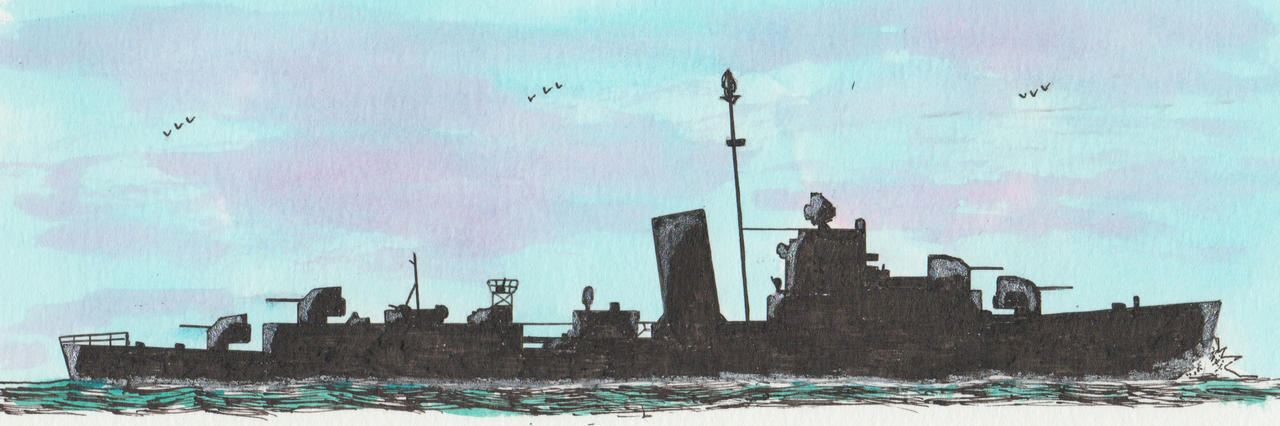
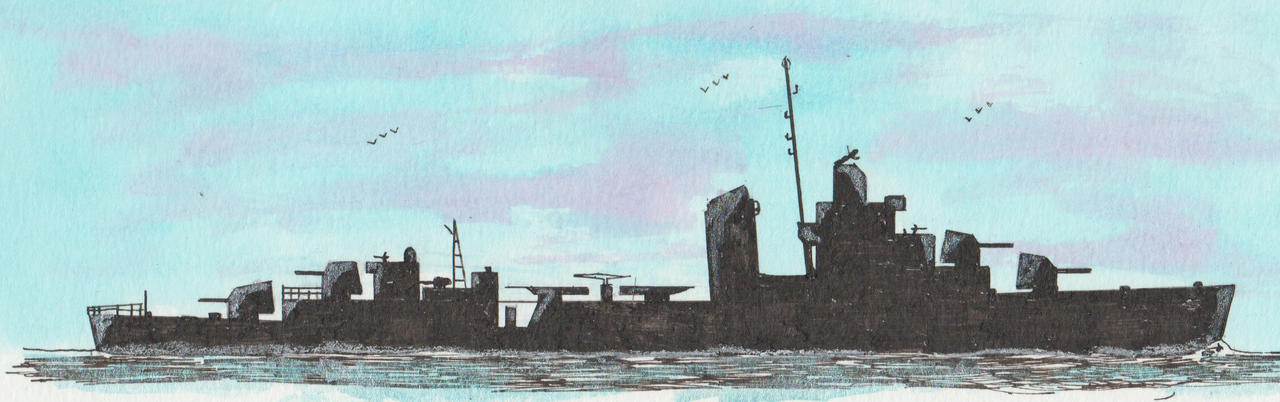
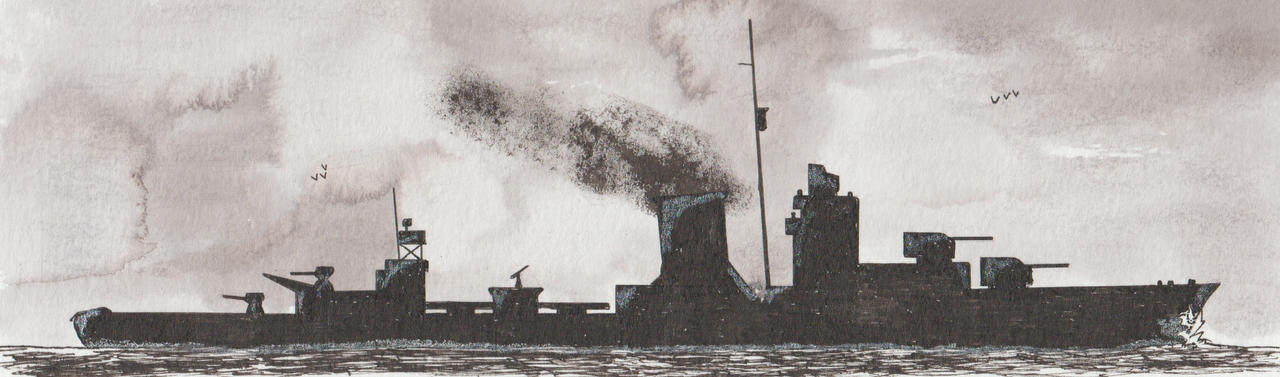
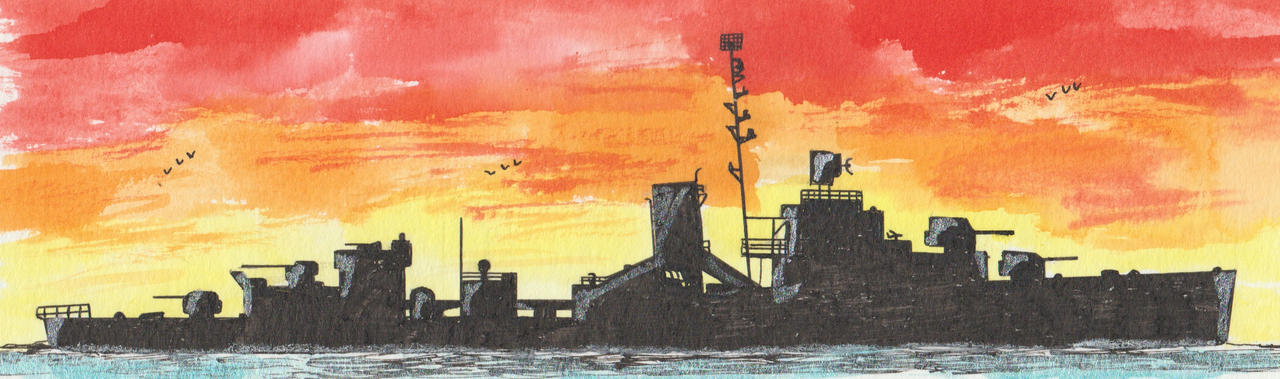
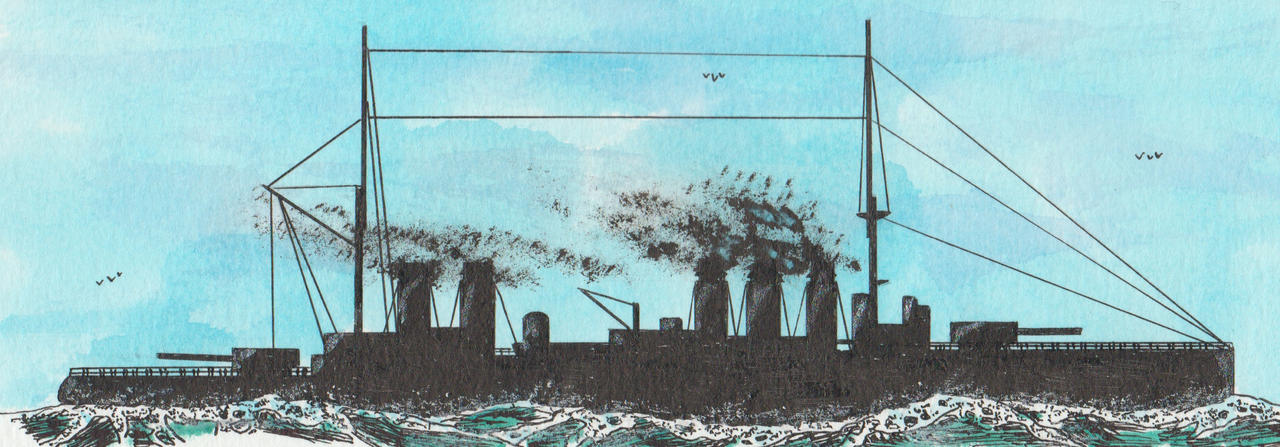
American destroyer USS Benham DD-397 1936-1942

Somers-class. ©Warshipsresearch.blogspot.com

Benham-class. ©Warshipsresearch.blogspot.com

Sims-class. ©Warshipsresearch.blogspot.com

Gridley-class. ©Warshipsresearch.blogspot.com

Bagley-class. ©Warshipsresearch.blogspot.com

Part of Benham-class (sometimes called as Ellet-class) preceded by Somers-class succeeded by Sims-class. Gibbs&Cox-design. Built between 1936-1939 were 10 vessels built with a limited 1,500 tons standard displacement according to the London Naval Treaty. With similar characteristiscs as the Gridley- and Bagley-classes.

Hull number DD0-397. Laid down by Federal Shipbuilding and Dry Dock Company, Kearny, New Jersey, USA on 1 September 1936, launched on 16 April 1938, commissioned on 2 February 1939 and scuttled with gunfire of USS Grin lost after being damaged during the Battle of Guadalcanal against the Japanese Nagara, Ayanami and Uranami on 15 November 1942. 

Merchant and warships arrived at Gibraltar according to the Kriegsnachrichten of the Chef des Admiralstabes der Marine dated Berlin 9 August 1917

©Warshipsresearch.blogspot.com

An item reported the arrival at Gibraltar between 2-4 August coming from the west of 3 armed British steamships, 1 armed British steam transport, 3 armed Italian steamships, 1 armed French steamship, 1 British destroyer and 1 French warship of the Danton type (1), 1 with 3 guns armed British paddlesteamship and 1 Norwegian steamship.

Note

1. The Danton-class semi dreadnought battleships consisting of 6 ships built between 1907-1911 preceded by the Liberté-class succeeded by the Corbet-class with a main armament of 2x2-30.5cm/12” guns. The Danton was sunk by the German submarine U-64 on 16 March 1917.

Source

Bundesarchiv RM-40-622

Shipping traffic around Korfu and in the Ionian Sea according to the Kriegsnachrichten of the Chef des Admiralstabes der Marine dated Berlin 6 August 1917

An item reported that German submarines observed in the first half of July that between Mari de Leuca and the south point of Korfu on the one hand and between Santa Mauro in the Ionian Sea on the other hand large steamships passed escorted by destroyers apparently troop transports. Also was the strait by night guarded by destroyers. The conditions were described as a good area of activity in moonlit nights.

Source

Bundesarchiv RM-40-622

Russian intelligence collection vessel (ex-Odograf 1988-2004) Viktor Leonov CCB-175 2004-


Great Belt, Denmark 5 June 2026

Part Project 864, called by NATO Vishnya-class SIGINT ships , also known as Meridian-class preceded by Balzam-class succeeded by Yury Ivanov-class. Commissioned on 5 October 1988. Built by Remontowa Shipbuilding SA/Stocznia Polocna, Gdansk, Poland. Northern Fleet with yardnumber 864/7. Renamed in April 2004. IMO 4617904. 

Italian sailing ship Angel Maria lost in 1917

According to a list of the Italian Department for transport over sea and by rail was she lost on 5 April due to bombs on the location Tolone. Tonnage t257 ons.

Source

Bundesarchiv RM 20/728.

German blockaderunner ms Norderney in 1941

In a letter dated 13 April 1942 No. 1329 to the O.K.M./1 Abteilung Skl. was the so-called ‘Etappen’-organisation of the navy described. In the attachment were the blockade runners decribed used for this purpose. Ms Norderney. Loaded with rubber to return home. Left Parà on 9 August 1941. Mid August set afire and sunk when she met a British cruiser mid August. 

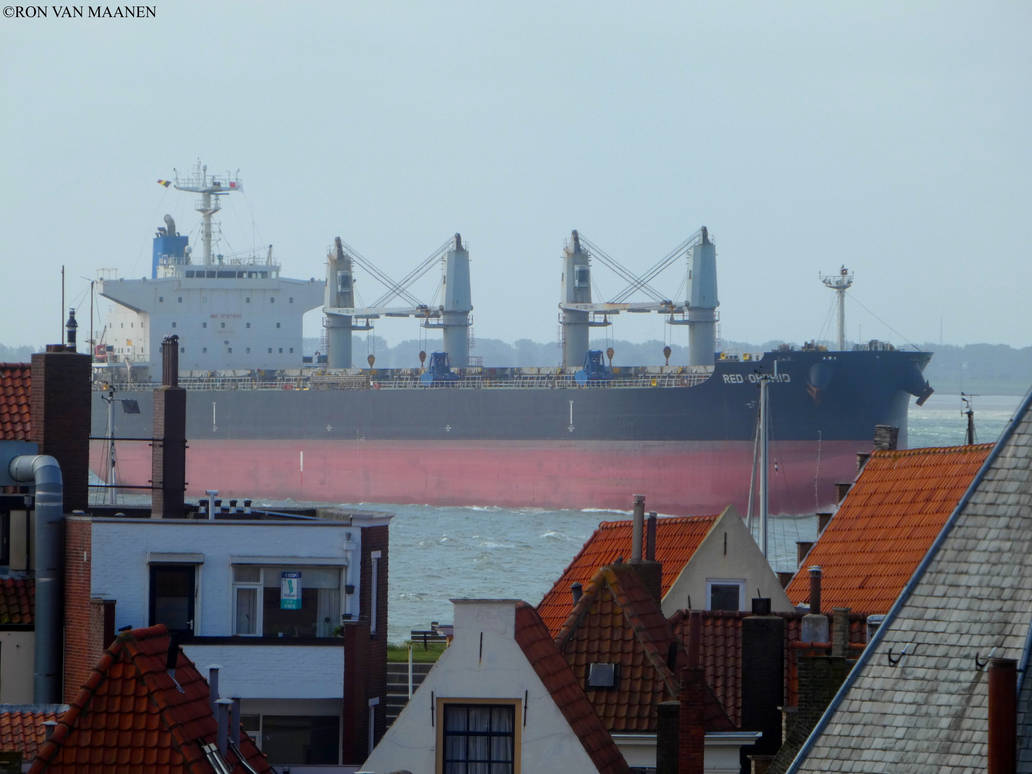
Singaporean bulk carrier Red Orchid 2015-

Schelde off Vlissingen, Netherlands 6 June 2026

Panama-flagged, IMO 9757890, MMSI 374249000 and call sign wFUL5. Laid down by Nantong Cosco KHI Ship Engineering Co. Ltd, Nantong, China with yard numer 211 on 10 July 2015, launched on 30 September 2015 and delivered on 11 December 2015. Registered owner Ansei Bulk Carrier S.A., manager Marufleet Management Pte. Ltd. 

American whaler Electra visited Honolulu, Hawaii according to the newspaper The Polynesian dated 19 March 1853

An item reported the arrival at Honolulu, Hawaii on 15 March of the American whaler Electra master Fisk from Society Islands 40 barrels sperm oil 

American whaling barque Delaware cleared at Laihana, Hawaii according to the newspaper The Polynesian dated 12 March 1853

An item reported that at Laihana, Hawaii on 20 February was cleared the American whaling barque Delaware master Holt for cruising

American whaler Tamerlane visited Honolulu, Hawaii according to the newspaper The Polynesian dated 19 March 1853

An item reported the arrival at Honolulu, Hawaii on 15 March of the American whaler Tamerlane master Shockley from Maui 45 barrels sperm oil 1,400 barrels whale oil 

Russian mine countermeasures vessel Polarny 635 2022-


Great Belt, Denmark 5 June 2026

Project 12700/Alexandrit-class preceded by Gorya- and Sonya-classes. Laid down by Sredne-Nevsky Shipyard, St. Petersburg, Russia 12 June 2022, launched on 25 April 2025 and commissioned on 30 April 2026. Part of Northern Fleet. 

Construction status of the German kriegsfischkutter KFK 597 in 1944

©Warshipsresearch.blogspot.com

List of planning with deadlines for new construction of warships dated Berlin 22 May 1944. Built at Varna, Bulgaria. Date building ordered 24 June 1943. Date completion unknown due to transport and labour problems allowing a future maximum completion of 1-2 Kriegsfischkutters possible.

Source

Deutsches Historisches Institut Moska. Records 500 findbuch 12453-file 152. 

Russian naval officer Winter according to a report from the Military Observer at Riga, Latvia dated 22 July 1921

The information was received from the Latvian General Staff and considered to be reliable. In fact few was known dealing with the personnel of the Central Institutions except that the majority in authority were former naval officers already officers prior to the First World War. The descriptions of the officers were supplied by a former high officer of the Imperial Russian Navy which now stayed in Latvia. “Ex major general, engineer mechanic Winter. Squadron mechanic (April 1921) of the Baltic Fleet since 1908; very experienced, energetic and able, with good scientific knowledge, but of little character; good-natured and clever.”

Source

National Archive. Record Group 165: Records of the War Department General and Special Staffs Series: Security Classified Correspondence and Reports. File Unit. Russia: Navy - MID 2503-16 THRU 2503-265. Roll 1443.

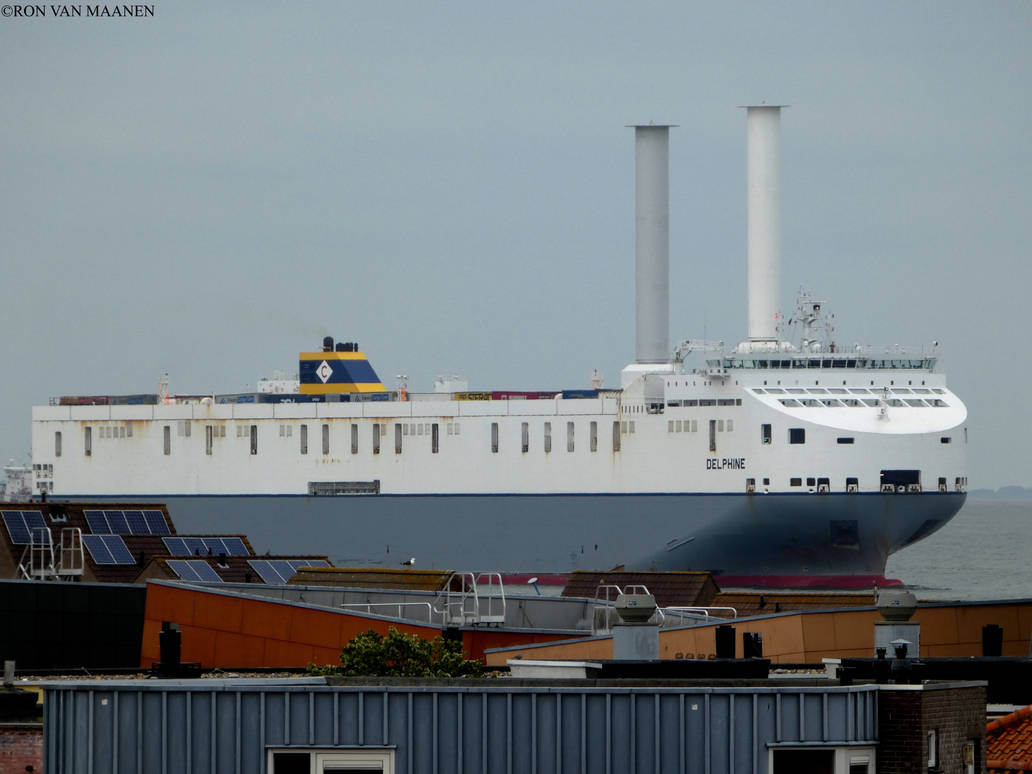
Luxembourg owned ro-ro cargo ship Delphine 2018-

Schelde off Vlissingen, Netherlands 7 June 2026

Malta-flagged, homeport Valletta, IMO 9789245, MMSI 248189000 and call sign 9HA553. Owner/manager CLDN Roro Sa, Luxembourg. Built by Hyundai Mipo Dockyard, Ulsan, South Korea in 2018

Sale of 1/32 part in the Dutch whaler Lindenrust at Amsterdam, Netherlands in 1767

An item mentioned that ship brokers sold at Nieuwezyds Heeren Logement at Amsterdam, Netherlands on Monday 16 November 1767 1/32 part in the Dutch fluytship Lindenrust en whaling tools of commandeur Adriaan Dirks, built in 1756, dimensions 113 x 28 91/2 x 12.9 feet, bookkeeper W. Koning Abrahamsz, sold with 1/32 part in the de Liefde for 650 guilders to H. Costerus

Source

De Maandelyksche Nederlandsche Mercurius, Volume 22, November, Amsterdam, 1767. 

Sale of 1/32 part in the Dutch whaler de Heerlykheid Rynouw at Amsterdam, Netherlands in 1767

An item mentioned that ship brokers sold at Nieuwezyds Heeren Logement at Amsterdam, Netherlands on Monday 16 November 1767 1/32 part in the Dutch fluytship de Heerlykheid Rynouwe and whaling tools of commandeur Reltje Dirks, built in 1737, dimensions 115 1/2 x 30.1 x 12 1/2 feet, bookkeeper W. Koning Abrahamsz, 300 guilders, stroke 4 guilders, V. de Vries.

Source

De Maandelyksche Nederlandsche Mercurius, Volume 22, November, Amsterdam, 1767. 

Thais torpedo boat HTMS Surasdra 1935-1994

©Warshipsresearch.blogspot.com

Pennant 21. Part of Trad-class preceded by Number 1-class succeeded by Kantang-class. Italian design, in fact a smaller Italian Spica-class. Laid down by Cantieri Riuniti dell’Adriatico, Monfalcone, Italy on 31 March 1935, launched on 28 November 1936, commissioned in late 1936 and sunk as target on 7 July 1994. 
The design of Captain N.L. Tonns for the American armoured cruiser USS Maine in 1887

American USS Maine©Warshipsresearch.blogspot.com

Brazilian Riachuelo©Warshipsresearch.blogspot.com

In 1886 was the building of a battleship which became the USS Texas and an armored cruiser which became the USS Maine authorized.(1) The US Navy asked for plans including from parties abroad. For the USS Maine was chosen for an American design although inspired by a Brazilian warship.

The Internal Revenue Record and Customs Journal edition dated 11 April 1887 p. 144 wrote that the Secretary of Navy William C. Whitney on 6 April invited proposals for the building of 5 warships under the Act of 38 March 1887. Further more he considered the details for the Board which was responsible to examine the plans for the two 6,000 tons ships authorized under the Act of 3 August 1886. Expected was that as naval members were to be appointed captain Ramsay, commodore Goodrich and assistant naval constructor Bowles. The names of the civilian members were yet not known. In the meantime were the plans of the Bureau of Construction and Repair his favourite. Of the ten plans for new cruisers were at least six worth of close attention. According to The Nation dated Thursday 7 April 1887 were the plans opened on 1 April.

The Railroad and Engineering Journal, May edition p. 194 reported that the plans for an armored cruiser and an armored battleship were now being studied by a mixed board of naval officers and civilian constructors. The general features were published on page 211: “The armored cruiserwas to have a double-bottomedSteel hull, unsheathed and divided into numerous watertight compartments, fitted with a powerful pumping apparatus, and finished with a perfect drainage and ventilation system throughout. She was to be fitted with a rambow and was to have a steel-armored deck which would run thewhole length of the ship and cover the boilers, engines and magazines. Two-thirds full sail power was required on two or three masts, each with a protected top, carrying one or more machine or rapid-fireguns. The main batterywas to havefour 10-in. guns, each weighing 26½tons, and six 6-in.guns each weighing 5 tons. The secondary battery was to be composed of four 6-pounder, four3-pounder, and two 1-pounder Hotchkiss rapid-fire guns, four 47-millimeters and four 37-millimeters Hotchkiss revolving cannon, and four Gatling guns. The vessel was to be equipped with a torpedo and searchlight outfit, and the guns were to be so arranged as to obtain for bow and stern fire the greates thorizontal and vertical command consistent with other essential conditions. The 10-in. guns were to load in at least two positions,and were to be served and handled by power and protected by at least 10 1/2 inch of steel armor, properly backged, while the 6-in. guns were to be efficiently shielded. The motive machinery was to be below the armored deck and well covered from hostile fire, and the ship was to be driven by twin screws. When fullyequipped and with all weights on board, excluding the reserve coal, she was to maintain 17 knots speed per hour over the measured mile. The coal endurance had to be large, the consump tion economical, and the distance to be covered at mod erate speed as great as practicable. The furnaces were to be arranged to work with forced draught when desired, air for combustion being furnished independently of the ventilating system. Quarters had to be provided for 270 officers and men, with provisions provisi for three months and water for one month. The ship was required to have arrangements for being steered either by power or by hand from several independent positions upon and below the deck. A sufficient number of boats to carry the crew were to be furnished, two of them being second class torpedo boats and two others steam launches or cutters, each of which was able to mount, shielded, one 3 pounder rapid-fire gun. These conditions were to be fulfilled at a maximum draught of 22 feet and on a displacement of about 6,000 tons."

The Railroad and Engineering Journal, July edition p. 311 and 315 reported that the US Navy still considered the building but did not invite yet for bids of shipyards. In the meantime reported the Board to the Secretary of the Navy what the results were of the plans sent by various parties in last April. The Board was appointed on 22 April. Some plans were not conform the requirements and were already rejected. Dealing with the plans of the Barrow Shipbuilding Company, Lieutenant W. I. Chambers. A. H. Grandjean and the Thames Iron Works & Shipbuilding Company was the conclusion that “The marked differences in the essential features of the designs prevent their classification in the order of merit; each exhibits features which strongly commend themselves, but the Board does not consider it advisable for the Government to build a vessel upon any one of these.”

In The Railroad and Engineering Journal, August edition p. 357-359 were the results of the examination discussed. The Board recommended not one of the submitted designs for an armored cruiser. The plans were to be carefully examined before anything could be decided. Yet it was probably the design of the Bureau of Construction of the Navy Department made a good chance to be chosen.

Captain N.L. Tonns, No. 164 Maiden Lane, New York, design rejected. According to the The Internal Revenue Record and Customs Journal dated 11 April was he formerly foreman for Mr. Steers. The Railroad and Engineering Journal, May edition p. 211 wrote that he “presented a design of novel character for the cruiser; it was to be lined both inside and outside the skin with wood.”

Note

1. Ordered on 3 August 1886, laid down by New York Naval Shipyard on 17 October 1888, launched on 18 November 1890, commissioned on 17 September 1895 and sunk due to an explosion in the harbour of Havana, Cuba on 15 February 1898 and what was left of her was scuttled in the Strait of Florida on 16 March 1912.

Sources

Engineering. An Illustrated Weekly Journal. London, 1885. 

Internal Revenue Record and Customs Journal. Volume XXXIII, January-December 1887.

The Nation No. 113, p. 286.

The Railroad and Engineering Journal, vol. LXI (Volume 1, new series), New York, 1887.

Hamersly, Lewis Randolph. The Records of Living Officers of the U.S. Navy and Marine Corps. Philadelphia, 1894.